
The importance of feedstock choice
The true foundation of your project's effectiveness and profitability is your feedstock. In this blog, we break down three of the most important considerations when it comes to feedstock planning: chemical properties, moisture levels, and supply chain security.
Project successes
Andrew
When planning a commercial pyrolysis project, it’s easy to get caught up in the sophisticated engineering of the plant itself. However, even as pyrolysis technology manufacturers ourselves, the first thing we say to potential clients is that the true foundation of your project's effectiveness and profitability is your feedstock.
Your choice of raw material dictates the nature of your biochar, your capital expenditure (CapEx), your day-to-day operational logistics and, ultimately, your revenue potential. In this blog, we break down three of the most important considerations when it comes to feedstock planning: chemical properties, moisture levels, and supply chain security.
Chemical properties
The chemical composition of your feedstock (your input) directly determines the characteristics of your biochar (your output). The goals of your specific project will dictate what kind of material you should look for.
- High fixed carbon (e.g. woody feedstocks): A high fixed carbon content translates directly into more carbon sequestered within the biochar. If your primary business model relies heavily on generating high-value carbon removal credits (CORCs), sourcing a clean, carbon-dense woody biomass is key.
- Higher ash/lower Carbon (e.g. agricultural residues): Materials with lower fixed carbon or higher ash content can still produce valuable biochar. If your main objective is generating large volumes of biochar for soil amendment on local agricultural lands, these alternative feedstocks are highly suitable and often cheaper.
Moisture Content
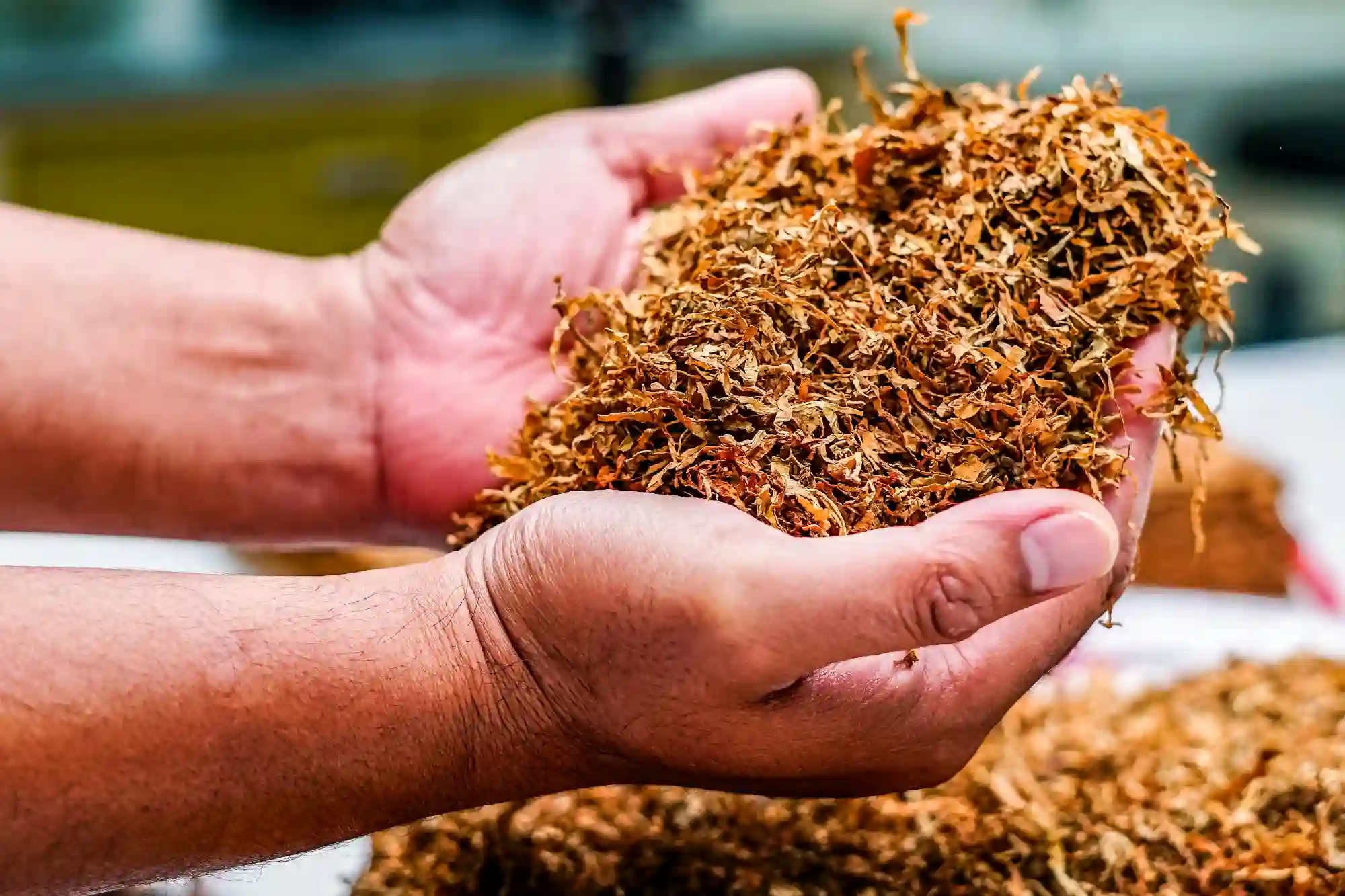
The moisture content of your feedstock is one of the most critical considerations when planning your pyrolysis project. As a rule of thumb, a typical pyrolysis system operates optimally with an input moisture content between 10% and 15%. Because most raw biomass sits far above this threshold, handling moisture requires careful financial and engineering calculations.
Forestry waste typically sits between 45% to 50% moisture, requiring significant drying. Fortunately, the pyrolysis process itself generally generates enough excess thermal energy to power its own drying function for materials with this moisture content.
However, if you look at much wetter inputs like biogas digestate or sludges (often exceeding 65% moisture), there isn’t enough heat generated by the plant to dry the material autonomously. While entirely possible to process, these projects require an additional, secondary heat source, namely a dryer to process this wet feedstock before it enters a pyrolysis chamber, or a parallel pyrolysis line running on a dryer feedstock.
A dryer is often therefore a large and crucial part of your pyrolysis plant. The higher the input moisture, the larger and more robust your drying system must be to maintain throughput, directly increasing upfront equipment costs.
The final consideration when it comes to moisture content are the logistics and emissions involved with transportation. If you are transporting feedstock to your facility, remember that, not only are you paying to transport the raw material but also the unwanted water within it. High-moisture feedstock spikes your logistics costs and increases your project's transport emissions, undermining both financial margins and introducing some carbon-accounting leakage.
Supply Chain & Access
The most successful, bankable pyrolysis projects generally have a structural relationship with their feedstock source. Relying entirely on the open market for biomass introduces significant project risk.
The good foundation for project design often involves one of two models:
- Internal sourcing: The pyrolysis plant acts as a biomass valorization solution within your own organization, utilizing residues generated by an existing business arm like a sawmill or food processing facility.
- Strategic co-location: Setting up the plant directly adjacent to a trusted partner's facility. Co-location ensures a long-term, secure supply of raw material and often grants access to feedstock at below-market rates by eliminating regional shipping logistics.
Your feedstock choice acts as the anchor for your entire business model. It controls what equipment you need to buy, how your logistics operate, and how much money you stand to make from carbon markets and biochar offtakes.
If you have a specific feedstock in mind for an upcoming project and want to make sure it is going to be a suitable input, do get in touch. We can conduct feasibility studies, feedstock trials and produce modelling to get your pyrolysis project off to the best possible start.
Contact us to discuss your feedstock specifications and start building a validated path forward.
Related insights
Onnu announced as Rainbow Partner
We’re pleased to announce that, following a vetting process and thorough assessment of our CarboFlow technology, Onnu has been approved as an official Rainbow Partner in the Industrial Biochar Tech Manufacturer category.
4 Steps to Planning a Successful Pyrolysis Project
To ensure your project is viable, and to give you a solid foundation when engaging suppliers or investors, it is essential to get to grips with the basics first. Here are the four critical steps to planning a successful pyrolysis project.
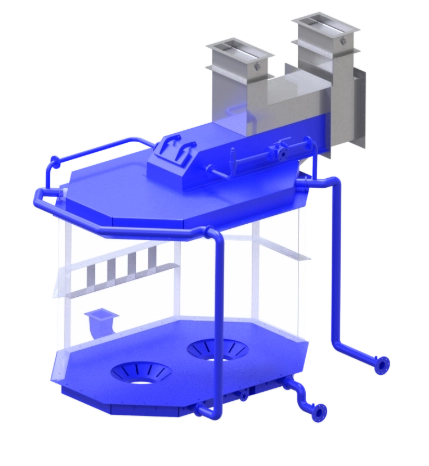
How CarboFlow uses pressure to maximize energy capture
One of the features that truly sets CarboFlow apart, is how it captures and reuses heat - converting it into steam for green energy production. We explore how this all works...