
Biomass
Pyrolysis can turn a range of biomass to biochar, but with differing characteristics and processing required.

Unlocking the hidden value in your waste
Whether plant matter, animal products or even manure, all biomasses contain carbon which was once absorbed from the atmosphere, and it is this crucial resource that is undervalued with methods of disposal which allow it to return there.

What type of biomass is suitable?
While most biomasses can be pyrolysed, the nature, quantity and structure of it will have an important impact on the operations and business model at a plant. Key qualities we look for are:

The higher the better, but in general being over 12 MJ/kg on a dry basis will keep the process self-sustaining.

After drying, we look for feedstocks to be under 15% moisture to keep the process efficient. The more moisture, the more drying needed, which will require more energy.

The more fixed carbon, the more carbon removal and corresponding income from carbon credits. We usually look for upwards of 15%.

The minimum to make a plant commercially viable is 4,000 tonnes per year after drying.

To ensure compliance with the carbon methodologies and receive carbon credits, the feedstock should not already have an environmentally positive endpoint.
How can you put your underutilized biomass to use?
Our experts can discuss its suitability, preparation and any modifications needed to make the most of it.
Examples of suitable biomass

Wood shavings, chippings and saw dust discarded during operations is an excellent all round feedstock.

The woodier fraction from tree operations is a good lower cost source of wood chip.

Ideally from broiler sheds using wood shavings as bedding. Commercially sound and results in nutrient rich biochar.
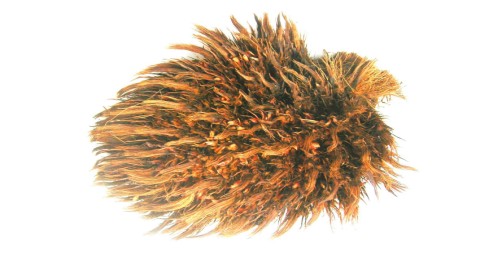
Abundant and low cost in palm oil regions, particularly good for energy focused sites.
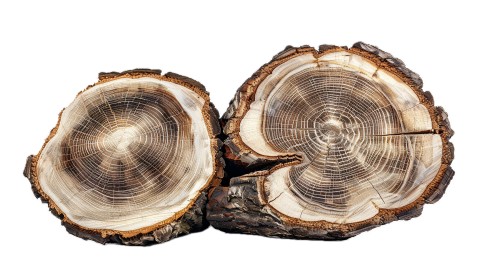
Requires collection from fields, but abundant and low-cost where available.

Sources vary, and requires extra drying, but if carbon content is high, it can be commercially strong.

Abundant in sugar growing regions, and high in energy.

A good, low cost feedstock with the advantage of not requiring drying.
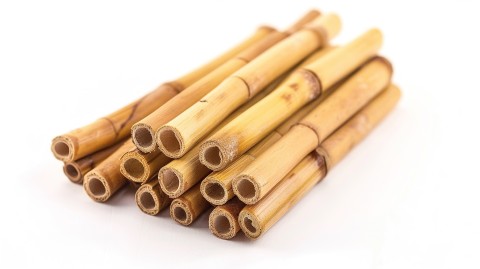
An excellent, high carbon feedstock if it can be accessed at a reasonable price.

Requiring no drying, an excellent high carbon feedstock for sequestration and biochar.

Abundant and high carbon feedstock suitable for pyrolysis.

Good, low cost and abundant feedstock in some regions, requiring no drying.

Current uses
As an environmentally positive solution, it is important to consider the current uses of the biomass.
Ideal sources of biomass are currently destined for disposal or incineration. Using these ensures that we don't have any negative environmental, social or economic impacts on existing supply chains.
Biomass containing high protein, for example, may deliver more value if it returned to the food chain.
As a company that firmly believes in the principle of Triple Bottom Line (Planet, People, Profit), this choice ensures that we support profitable projects without doing injustice to the planet and its people.
Take a look at some of our projects to see what we're up to!
Find out more

Pyrolysis
Our Green Energy Hubs produce large amounts of excess heat which can be delivered as a fully sustainable, carbon negative energy source for your business.

Carbon removal
Pyrolysis is the only practical and available carbon removal technology available today, and is a critical tool for the world's journey to Net Zero.

Biochar
Biochar is a long-term store of carbon, and an effective soil additive improving plant yields and health. We are committed to producing it on a large scale to make a real difference in the fight against climate change.

Biomass
What types of biomass is suitable for pyrolysis?