
How CarboFlow uses pressure to maximize energy capture
One of the features that truly sets CarboFlow apart, is how it captures and reuses heat - converting it into steam for green energy production. We explore how this all works...
Project successes
Andrew
CarboFlow is Onnu’s proprietary advanced pyrolysis machine, designed to transform organic waste into high-quality biochar and generate reliable carbon credits. However, biochar and carbon credits are just two parts of what makes a pyrolysis plant viable. The third, and one of the features that truly sets CarboFlow apart, is how it captures and reuses heat - converting it into steam for green energy production.
Producing biochar and capturing heat
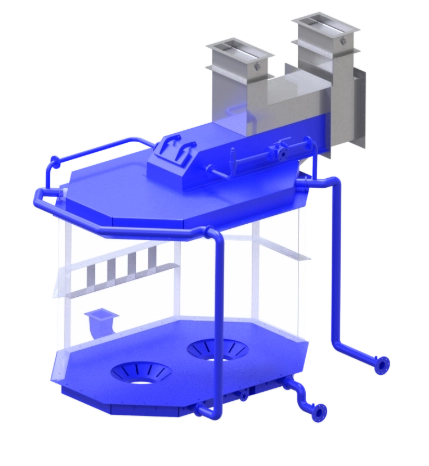
Inside CarboFlow, biomass is ‘cooked’ in the bottom chamber of the unit through a controlled, continuous pyrolysis process to create biochar. This process generates significant thermal energy but, instead of letting that heat go to waste, we have designed our system to capture and reuse it in the most efficient way possible.
Water is introduced to selected parts of the machine - flowing through and around the unit to cool it. This acts, not only as a heat-transfer medium, but also as a protective layer for the metal components. Prolonged high temperatures can have a negative effect on steel and, without cooling protection, long-term durability would be compromised. The water that circulates around CarboFlow’s water jacket absorbs excess heat, helping the metal to last as long as possible whilst maintaining optimum operating conditions.
Using pressure to maintain liquid-state heat transfer
As the water circulates, it gradually heats up - marking the transition from heat management to energy generation. However, once temperatures exceed water's boiling point, water begins to convert into steam.
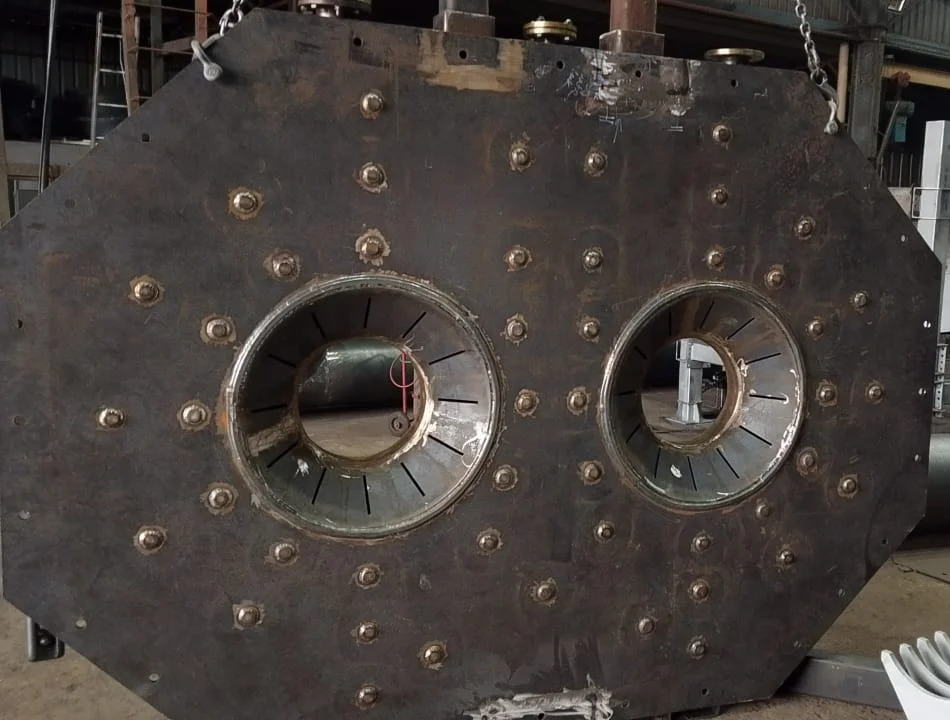
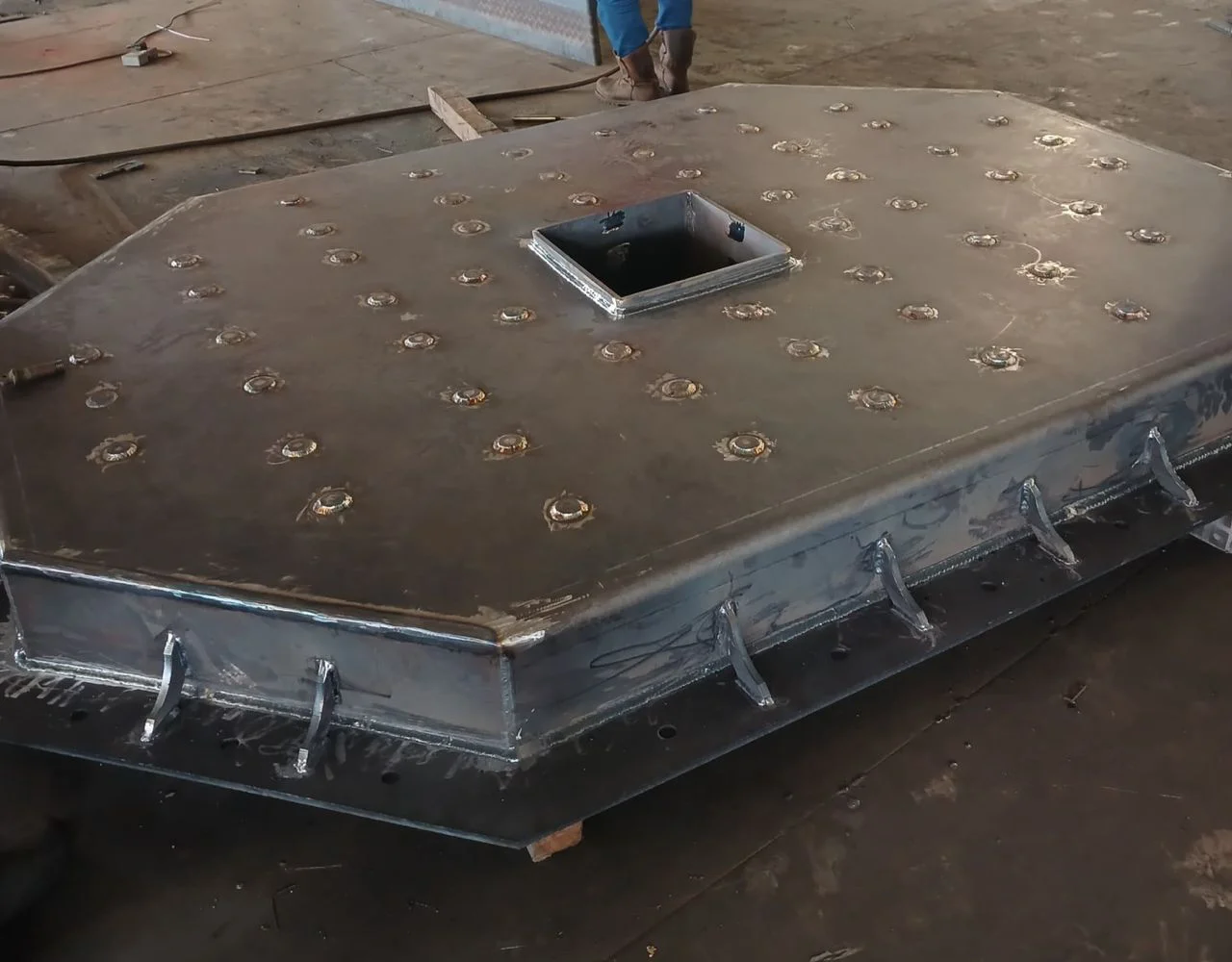
To ensure optimum fluid flow efficiency, Onnu’s engineering team redesigned and reinforced the water circuit of CarboFlow, including the top lid and secondary air inlet, enabling the system to operate at pressures of up to 10 bar.
At higher pressures, the boiling point of water increases. This allows the water to remain in a liquid state beyond its boiling point, significantly improving its ability to carry heat through the system at higher temperatures. In turn, the higher temperatures allow for higher quality energy than lower temperatures.
Engineering for pressure and performance
Operating at higher pressures introduces significant engineering challenges. Under combined high temperature and pressure, metal structures are prone to deformation and stress. Earlier CarboFlow designs were therefore limited to around 3 bar of pressure.
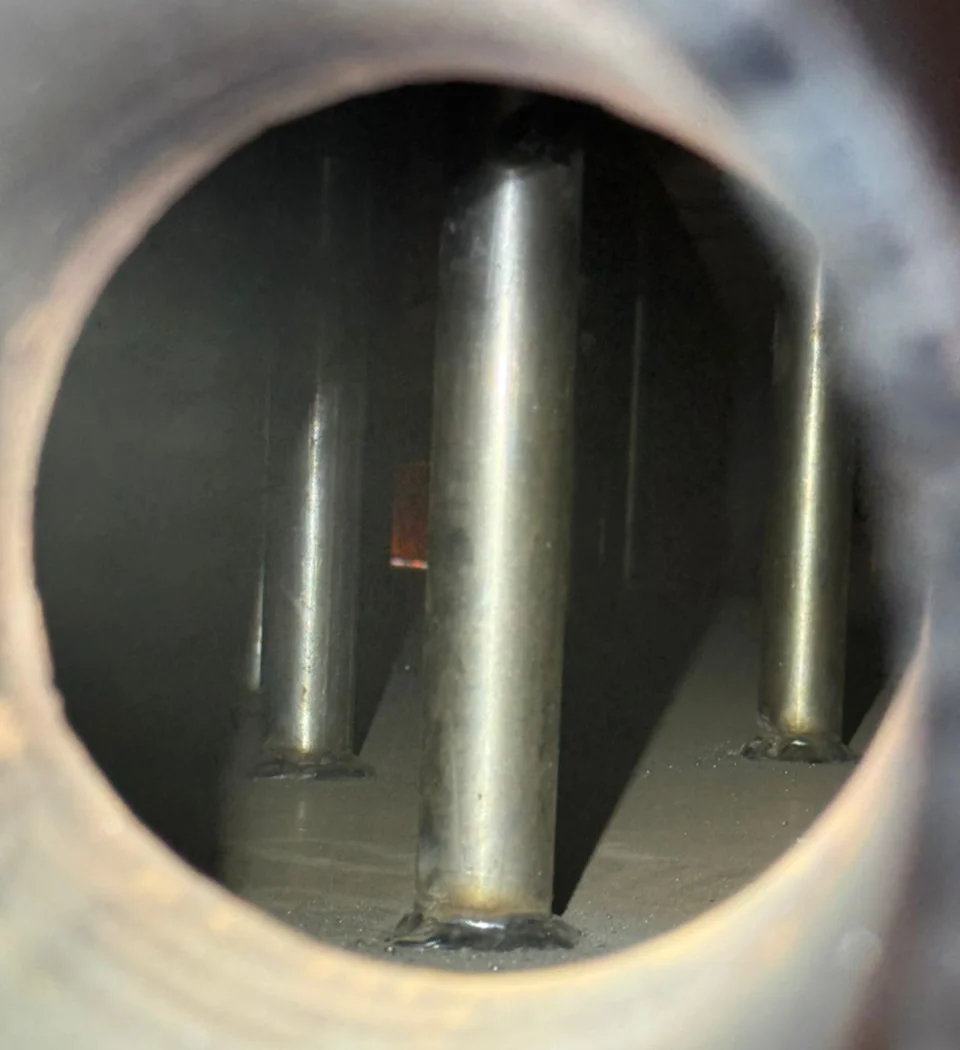
To unlock greater performance, the water circuit was re-engineered to safely handle pressures of up to 10 bar. This enhancement includes structural reinforcements such as internal supports and pin assemblies, ensuring mechanical integrity while maintaining long-term durability and safe operation.
Compliance and Economics: Choosing the Right Model
Industrial systems operating under pressure are subject to strict regulatory requirements, which vary across regions. High-pressure equipment often requires specialized certifications, inspections, and qualified personnel to ensure safe operation and compliance with local laws.
Thus, selecting the appropriate CarboFlow configuration (standard pressure or 10-bar operation) depends on several factors. These include local regulatory frameworks, permitting complexity, compliance costs, and the potential revenue gains from increased energy recovery.
Closing the Loop on Energy
CarboFlow is designed to close the loop between waste, heat, and energy. Beyond producing biochar and generating carbon credits, it ensures that the maximum possible value is extracted from every unit of energy within the system.
With CarboFlow, energy is not just produced - it is fully utilized.
You can find out more about CarboFlow here.
Related insights

The importance of feedstock choice
The true foundation of a project's effectiveness and profitability is the feedstock. In this blog, we break down three of the most important considerations when it comes to feedstock planning: chemical properties, moisture levels, and supply chain security.

4 Steps to Planning a Successful Pyrolysis Project
To ensure your project is viable, and to give you a solid foundation when engaging suppliers or investors, it is essential to get to grips with the basics first. Here are the four critical steps to planning a successful pyrolysis project.
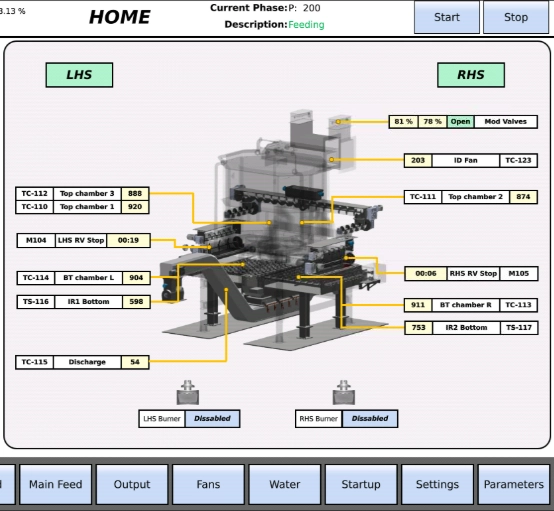
How we built CarboFlow’s intuitive HMI
Modern pyrolysis machines are powerful and often very complex pieces of engineering. Whilst we understand our machines down to the last bolt, how do we make sure an operator understands the controls, flows and intricacies? This falls on the Human Machine Interface (HMI) which is, in very simple terms, a display screen used to control the machine.