
Second CarboFlow unit expands biochar and renewable energy production at Aumkar Plantation
A second CarboFlow unit expands biochar production, renewable heat generation and verified carbon removal at Aumkar Plantation in Sabah, East Malaysia.
Project successes
Andrew
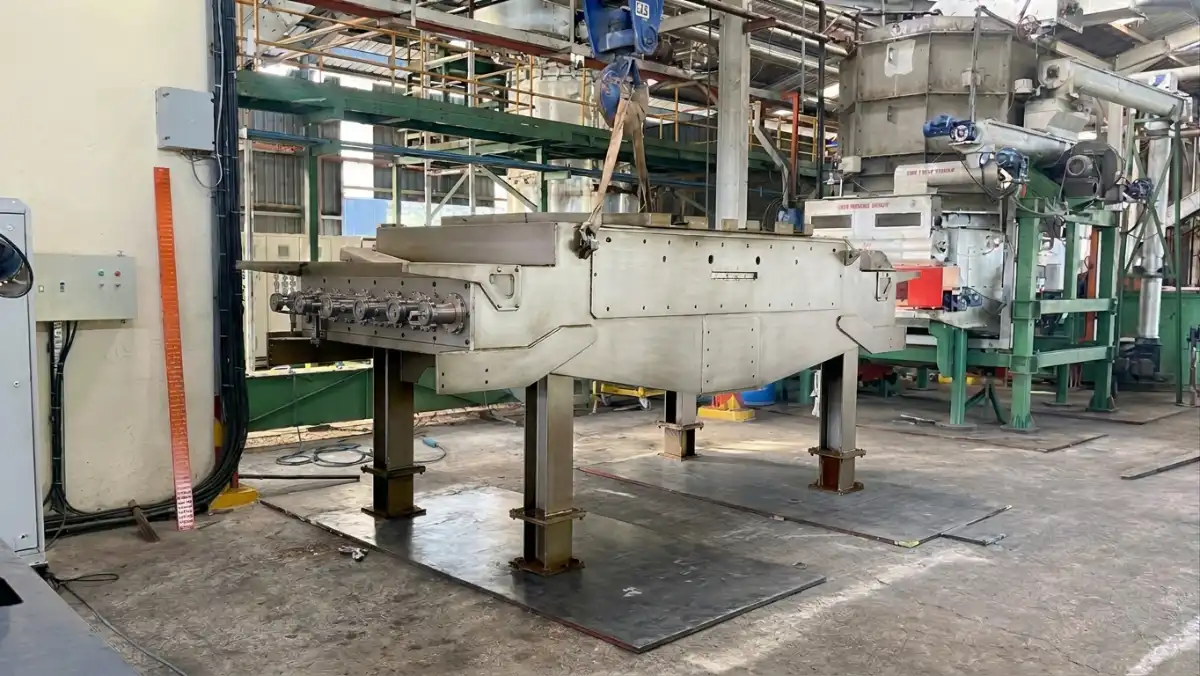
We are delighted to announce that a second CarboFlow unit is being installed at Aumkar Plantation in Sabah, Malaysia, following the successful operation of the first unit.
The initial phase has focused on processing a variety of available feedstocks, demonstrating the potential to convert these challenging agricultural residues into valuable biochar and renewable energy.
Building on this success, Biocarbon Technology Asia is now scaling up operations with a second CarboFlow unit, with oil palm trunk becoming the primary feedstock focus for the next phase.
Scaling biomass processing and renewable energy
Once both units are operational, the installation is expected to produce approximately 2,880 tonnes of biochar annually, alongside 3.6 MW of renewable thermal energy for use in plantation and mill operations.
This renewable heat offers the mill an opportunity to reduce its reliance on conventional energy sources, improving energy efficiency while turning agricultural residues into valuable resources.
The project is also expected to generate approximately 5,550 verified carbon removal credits annually. These will be Puro CORCs and are expected to be available to buy in early 2027.
The next phase: enhanced energy recovery
Further improvements are already planned for the coming months. Onnu has designed a bespoke adaptation to CarboFlow, allowing the pyrolysis unit to recover energy from the adjacent torrefaction plant’s waste syngas. This will increase the renewable thermal output available to the mill, further improving the commercial returns of the plant.
With two CarboFlow units and further energy enhancements planned, Aumkar Plantation is set to become one of the largest plantation-based biochar and carbon removal installations in South-east Asia, demonstrating the potential for integrated biomass processing and renewable energy generation at industrial scale.
Commissioning of the second unit is targeted for mid-December 2026.
Related insights
Onnu approved as Isometric biochar equipment partner
We’re pleased to announce that, following a rigorous validation of our CarboFlow technology, Onnu has been approved as an official Isometric biochar equipment partner, with CarboFlow now a pre-approved pyrolyzer under Isometric’s pre-approval scheme.
Onnu employs automated feed monitoring through image recognition
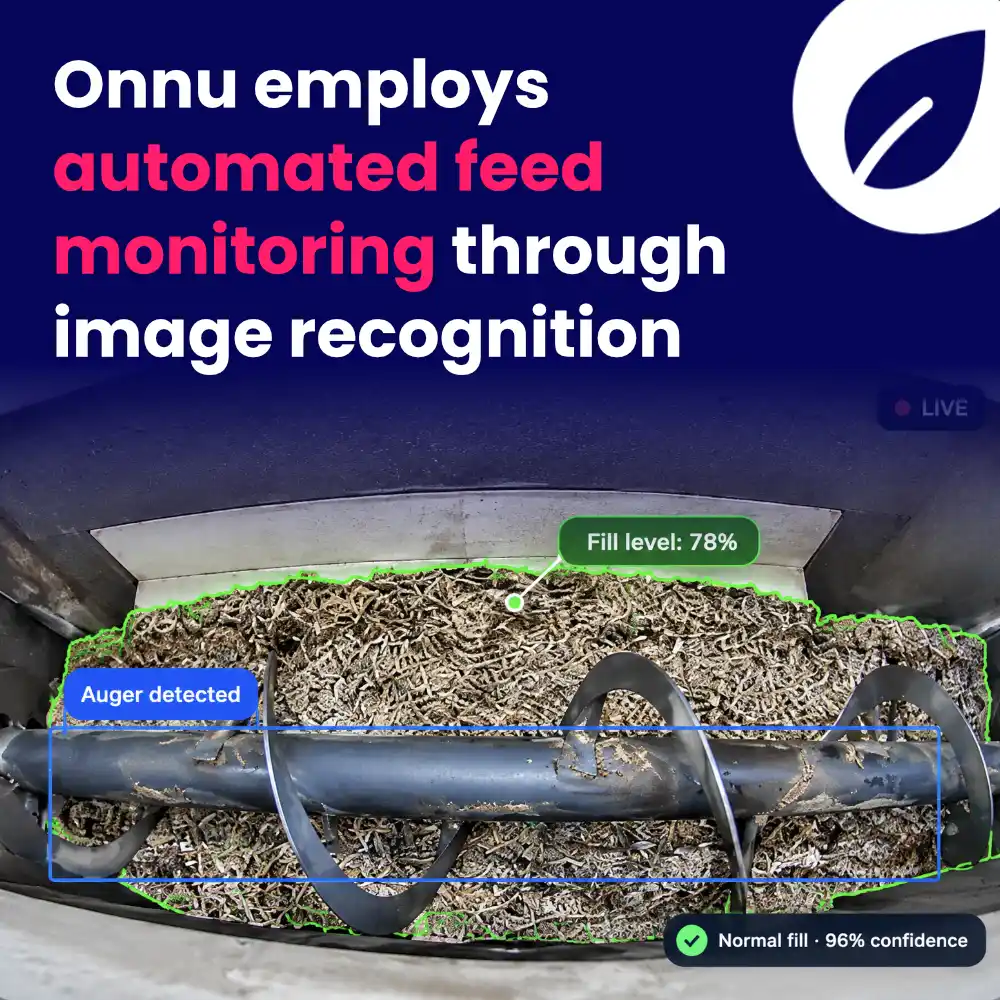
Onnu has recently partnered with AI implementation specialist for engineering firms, Mainspring AI, to add automated feed monitoring capabilities to its current and future CarboFlow installations.
Onnu announced as Rainbow Partner
We’re pleased to announce that, following a vetting process and thorough assessment of our CarboFlow technology, Onnu has been approved as an official Rainbow Partner in the Industrial Biochar Tech Manufacturer category.